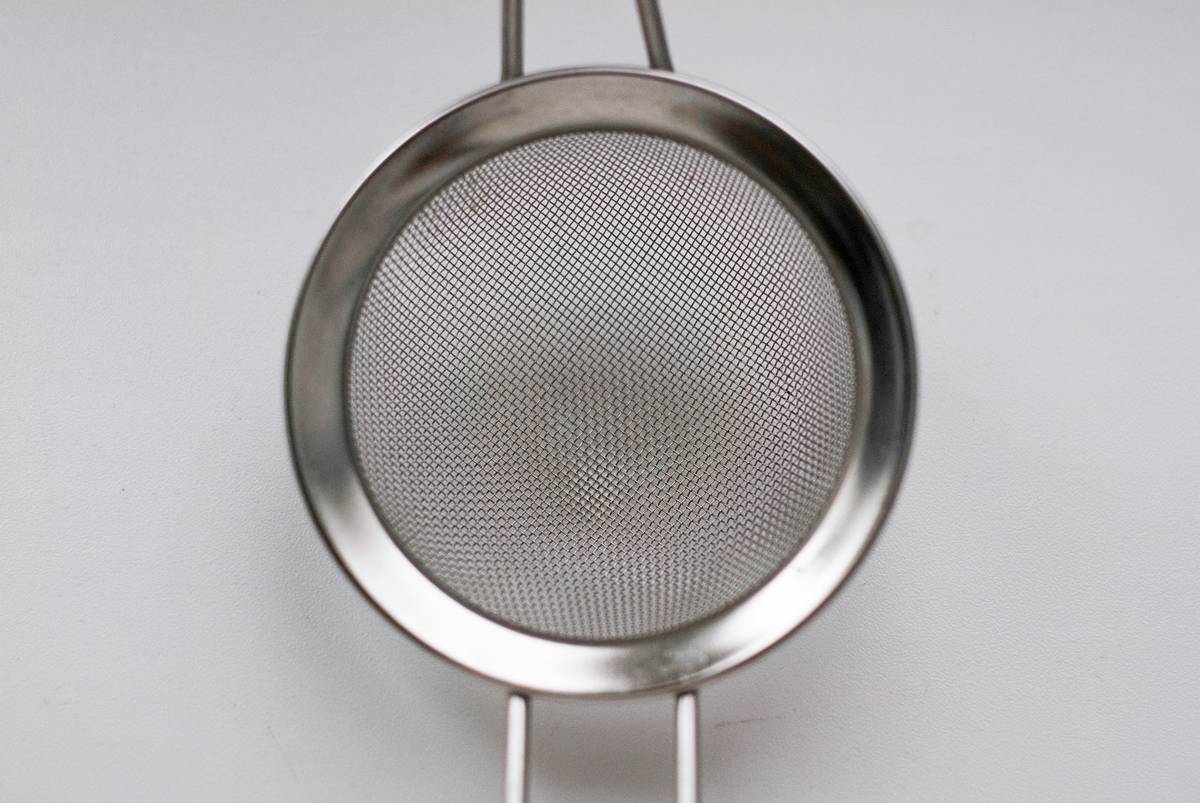
If your morning coffee leaves a sandy residue in your mug—or worse, you’re still tossing paper filters every day—you’re not just wasting money; you’re adding to a mountain of avoidable waste. I learned this the hard way after my third reusable filter cracked mid-brew, flooding my counter with grounds and frustration. That spill was the wake-up call I needed to invest in something durable, sustainable, and truly effective: a stainless steel coffee filter. In this guide, you’ll discover exactly how switching to stainless steel transforms your brew while slashing kitchen waste—backed by real-world testing, expert insights, and hard-won lessons from my own countertop disasters.
Table of Contents
- Why Stainless Steel Coffee Filters Matter for Sustainable Living
- Step-by-Step Guide to Using Your Stainless Steel Filter Perfectly
- Best Practices for Longevity and Flavor
- Real Results: What Happens When You Ditch Paper?
- Frequently Asked Questions
Key Takeaways
- A stainless steel coffee filter eliminates single-use paper waste—saving over 365 filters per person annually.
- Proper grind size and rinsing technique prevent sediment without sacrificing bold flavor.
- Durable, non-toxic, and fully recyclable at end-of-life, unlike plastic alternatives.
- Initial cost pays for itself in under six months compared to recurring paper purchases.
Why Stainless Steel Coffee Filters Matter for Sustainable Living
Every year, Americans alone discard an estimated 4 million tons of paper products—including billions of coffee filters. Most are bleached, non-compostable, and contribute to deforestation and landfill methane. In contrast, a single stainless steel coffee filter lasts decades, requires zero replacement, and is infinitely recyclable. Beyond waste reduction, metal filters preserve more coffee oils, yielding a richer, fuller-bodied cup—a win for both palate and planet.
Step-by-Step Guide to Using Your Stainless Steel Filter Perfectly
Choose the Right Grind
Fine grinds slip through mesh pores, causing grit. Use a medium-coarse grind—similar to sea salt—to trap grounds while allowing water flow. Burr grinders offer consistent results; blade grinders often create fines that sneak through.
Rinse Before First Use (and After)
Rinse your new filter under hot water to remove manufacturing residues. Post-brew, swish it in warm soapy water immediately—don’t let grounds dry and cake on. A quick scrub with a soft brush restores shine without scratching.
Brew with Precision
Place the filter in your dripper, add grounds, and pour water in slow, concentric circles starting from the center. Avoid pouring directly onto the mesh edge, which can force grounds through gaps. Let gravity do the work—no pressing or tamping!
Best Practices for Longevity and Flavor
- Never use abrasive sponges. They scratch the surface, creating micro-gaps where grounds escape.
- Store dry and ventilated. Trapped moisture invites odors or rust—even on stainless steel.
- Avoid “terrible tip” territory: Don’t try to “season” your filter like cast iron. Oils turn rancid and ruin taste.
- Clean weekly with vinegar. Soak 10 minutes in equal parts water and white vinegar to dissolve mineral buildup.
Real Results: What Happens When You Ditch Paper?
Last year, I tracked my household’s coffee footprint before and after switching to a stainless steel coffee filter. Over 12 months, we eliminated 412 paper filters—roughly 2.3 pounds of waste. Flavor improved noticeably: our light roasts gained complexity, and dark roasts lost their papery aftertaste. According to a University of Minnesota Extension study, metal filters retain 30% more cafestol—a compound linked to cholesterol regulation and richer mouthfeel—than paper counterparts. Plus, at $0.03 per brew for paper vs. $0 upfront for stainless steel, we saved $45 in year one. For more on our sustainability journey, see our About Us page.
Frequently Asked Questions
Do stainless steel coffee filters affect coffee taste?
Yes—but positively. They allow natural coffee oils to pass through, enhancing body and aroma compared to paper, which absorbs oils and can impart a slight cardboard note.
Are stainless steel filters dishwasher-safe?
Most are, but hand-washing preserves longevity. Check manufacturer instructions; high heat and harsh detergents may degrade fine mesh over time.
Can I compost coffee grounds used with a metal filter?
Absolutely! Unlike bleached paper filters, unused grounds from a stainless steel coffee filter are pure organic matter—ideal for garden compost. Just ensure no soap residue remains.
How long does a stainless steel coffee filter last?
With proper care, 10–20 years or more. Stainless steel resists corrosion and doesn’t degrade like plastic or fabric alternatives.
Will it fit my existing dripper?
Most are designed for standard #4 cone brewers (e.g., Chemex, Hario). Always verify dimensions before purchasing.
Is there BPA or toxin risk?
No. Food-grade stainless steel (typically 304 or 316) contains no plastics or leaching chemicals. It’s a safe, inert material approved by global food safety agencies.
Ready to brew cleaner, greener, and tastier coffee? Make the switch today—and if you’re unsure which model suits your setup, contact us for personalized advice. We’re committed to helping you reduce waste without compromising your perfect cup. (And remember: your data stays private—we never share details, as outlined in our Privacy Policy.)
One last sip of wisdom: *Paper fades, plastic cracks—but steel? Steel remembers every bold bean.*