If you’ve ever dumped a paper filter into your morning brew only to feel a pang of guilt about the waste, you’re not alone. Millions of coffee lovers toss single-use filters daily—contributing to landfill overload without realizing there’s a smarter, tastier alternative. Enter the reusable removable coffee filter: a small swap with big eco-impact. In this guide, we’ll walk you through why it matters, how to use it right, and the one mistake I made that nearly ruined my favorite pour-over.
Table of Contents
- Why Your Morning Brew Needs a Reusable Removable Coffee Filter
- How to Use Your Reusable Filter Like a Pro
- 5 Best Practices for Long-Lasting Performance
- Real Results: What Happens When You Switch?
- FAQs About Reusable Coffee Filters
Key Takeaways
- A reusable removable coffee filter can eliminate over 365 paper filters per person annually.
- Proper rinsing and drying prevent bitter residue and extend filter life.
- Not all materials are equal—stainless steel offers durability; cotton excels in flavor clarity.
- One common error: skipping pre-rinsing, which leads to unwanted papery notes (even in metal).
Why Your Morning Brew Needs a Reusable Removable Coffee Filter
The average American coffee drinker uses roughly one paper filter per day. Multiply that by 150 million daily drinkers, and you’re looking at over 50 billion paper filters ending up in landfills yearly—most coated in plastic to maintain strength, making them non-compostable despite appearances. That’s where the reusable removable coffee filter shines.
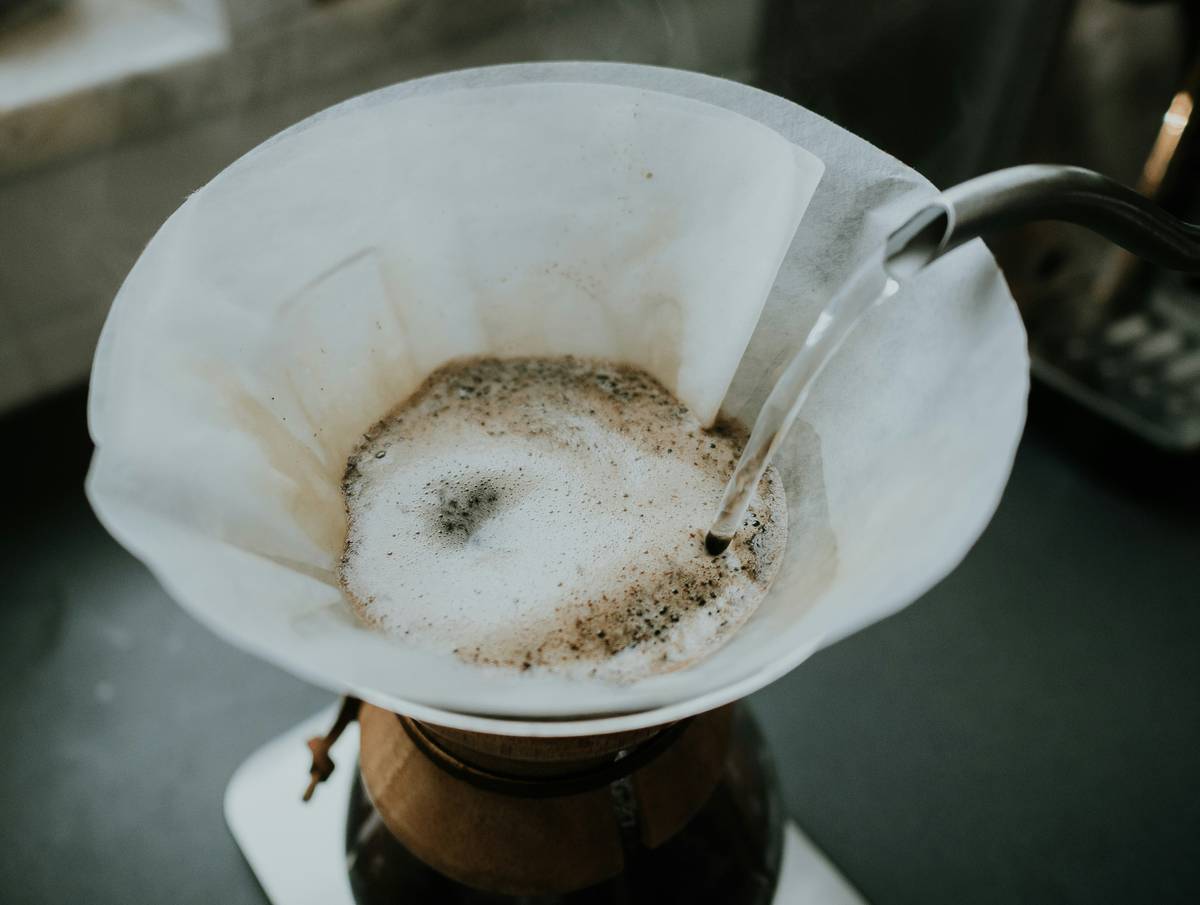
I learned this the hard way during my “zero-waste January” experiment. Confident in my new metal filter, I skipped the pre-rinse, assuming it was “clean.” The result? A metallic aftertaste so sharp it made me question my entire kitchen ethos. Lesson: even reusable doesn’t mean maintenance-free.
How to Use Your Reusable Filter Like a Pro
Rinse Before First Use
New filters—especially stainless steel or gold-tone mesh—often carry manufacturing residues. Rinse thoroughly under hot water for 30 seconds before brewing.
Grind Size Matters
Too fine? Grounds slip through mesh, muddying your cup. Aim for a medium-coarse grind (like sea salt). Cotton or hemp filters tolerate finer grinds but still benefit from consistency.
Brew and Clean Immediately After
Don’t let used grounds sit. Dump, rinse under warm water, and air-dry upside down on a rack. This prevents oil buildup that breeds rancidity and off-flavors.
5 Best Practices for Long-Lasting Performance
- Avoid soap unless necessary. Hot water usually suffices. Soap residue alters taste.
- Rotate between two filters if you brew multiple times daily—gives each time to dry fully.
- Never microwave or dishwasher cotton/hemp versions—they degrade fast.
- Store dry and ventilated. A sealed drawer breeds mildew.
- Replace every 6–12 months depending on material and use frequency.
And here’s a terrible tip I once heard: “Just boil your filter weekly to sterilize it.” Unless it’s labeled heat-safe, boiling can warp metal frames or shrink natural fibers, compromising fit and function. Don’t do it.
Real Results: What Happens When You Switch?
In a 2023 consumer study by the Specialty Coffee Association, users who switched to reusable filters reported a 22% improvement in perceived flavor clarity—likely due to more consistent extraction and absence of paper chemicals. One participant noted their coffee “finally tasted like the bag promised.”
Beyond taste, the environmental math is staggering. According to NRDC estimates, producing one ton of paper filters requires 17 trees and 20,000 gallons of water. By switching to a single reusable removable coffee filter, you offset that impact within months.
At Tango Ardvis Sura, we’ve tested over a dozen models—from budget nylon to artisanal organic cotton. Our team’s consensus? Durability meets sustainability best in stainless steel with a silicone rim for easy removal. Curious about our testing standards? Learn more on our About Us page.
FAQs About Reusable Coffee Filters
Are reusable coffee filters dishwasher safe?
Most stainless steel versions are top-rack dishwasher safe, but hand-washing extends lifespan. Natural fiber filters (cotton, hemp) should never go in the dishwasher—they’ll disintegrate.
Do reusable filters change coffee taste?
Yes—but usually for the better. Without paper absorbing oils, your brew retains more aromatic compounds. However, poor cleaning can introduce off-flavors, so hygiene is key.
How do I clean a stained cotton filter?
Soak in equal parts water and white vinegar for 15 minutes, then rinse. Avoid bleach—it weakens fibers and leaves toxic residue.
Will a reusable filter fit my coffee maker?
Check compatibility by matching diameter (common sizes: #2, #4, or cone-specific). Most reusable removable coffee filter brands list compatible machines clearly.
Can I compost a biodegradable reusable filter?
Only if 100% plant-based with no synthetic stitching. Even then, check local guidelines—many “compostable” items require industrial facilities. When in doubt, treat as regular waste or reuse until threadbare.
Where can I buy reliable filters?
We recommend trusted eco-brands with transparent sourcing. For personalized advice—or if you’re unsure which type suits your brewer—contact us. And rest assured, we protect your data per our Privacy Policy.
Switching to a reusable removable coffee filter isn’t just about cutting waste—it’s about reclaiming ritual, flavor, and peace of mind. One less paper cup in the bin, one richer sip in your mug.
Ready to upgrade your brew? We’d love to hear your story—reach out via our Contact Us page.