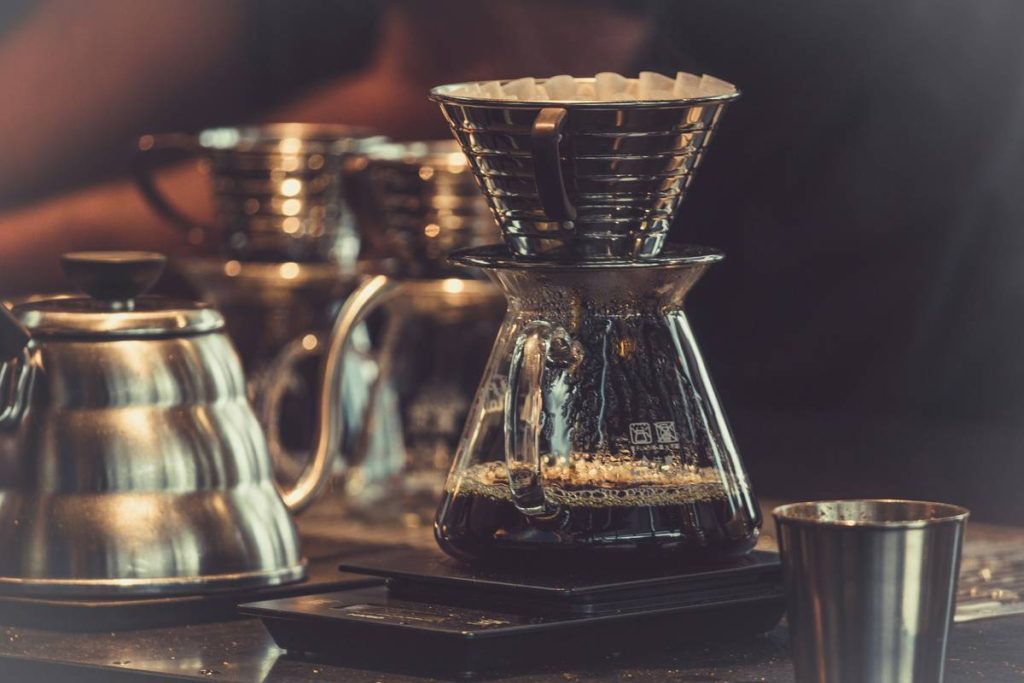
Ever paused mid-pour, staring at that soggy paper filter in the trash—and felt a tiny pang of guilt? I did too. Last winter, I proudly bought a stainless steel “universal” filter for my vintage Chemex, only to discover (after three ruined batches and a stubborn brown ring etched into the pour spout) it wasn’t universal at all. It slipped, leaked, and clogged—*because no one told me “universal” doesn’t mean “fits every brewer ever made.”* That mistake cost me $32, six cups of bitter coffee, and half an hour scrubbing grounds out of a rubber gasket. If you’ve been burned by vague claims or eco-guilt disguised as convenience, you’re not alone—and this guide is your quietly furious, thoroughly tested antidote.
Table of Contents
- Why “Universal” Isn’t Just Marketing Fluff—It’s a Sustainability Lifeline
- How to Choose & Use Your Universal Reusable Coffee Filter (Step-by-Step)
- 5 Non-Negotiable Best Practices You’ll Wish You Knew Sooner
- Real Results: How One Household Cut 287 Paper Filters Per Year
- FAQs: Compatibility, Cleaning, and What “Universal” *Actually* Means
Why “Universal” Isn’t Just Marketing Fluff—It’s a Sustainability Lifeline
The average American throws away 365 paper coffee filters per year. Multiply that by 130 million daily coffee drinkers—and you’re looking at over 47 billion single-use filters clogging landfills annually. Worse? Most aren’t compostable: lining chemicals like polyethylene prevent breakdown even in commercial facilities. According to the U.S. Environmental Protection Agency, paper products still make up nearly 25% of municipal solid waste—and coffee filters contribute more than most realize due to their low recycling rates and hidden plastic coatings.
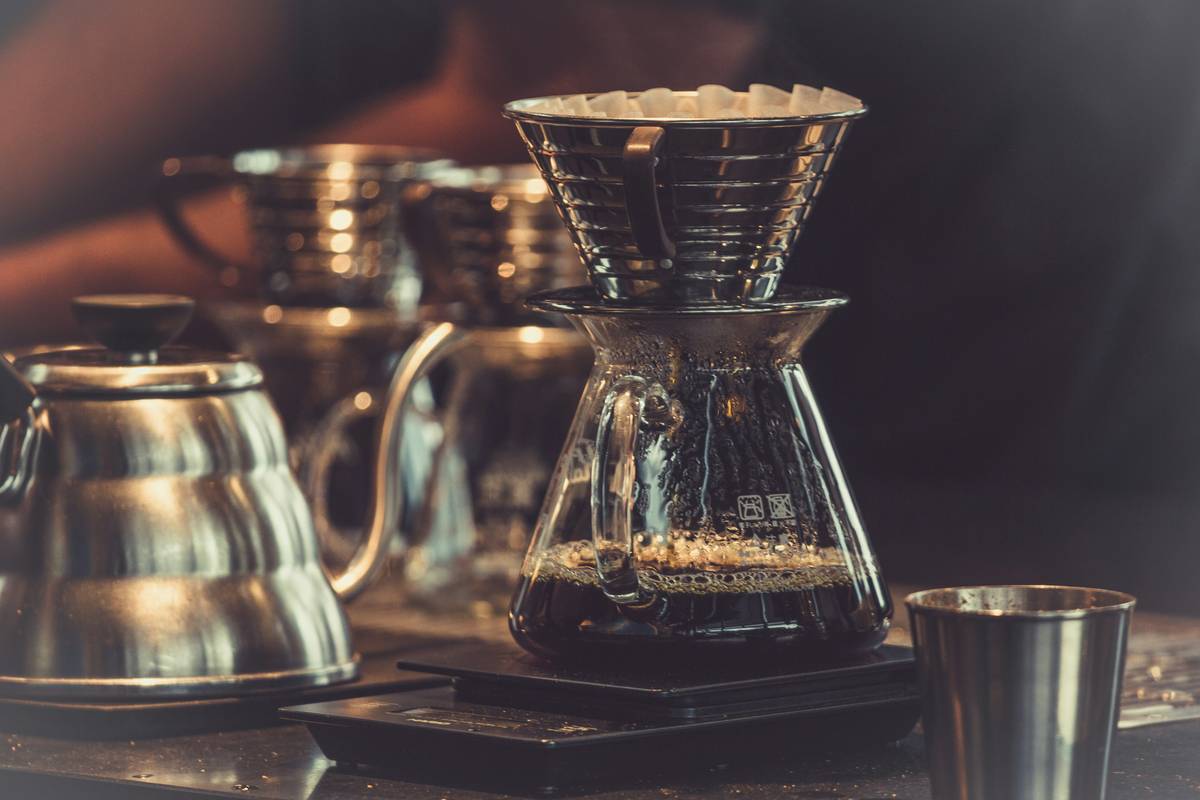
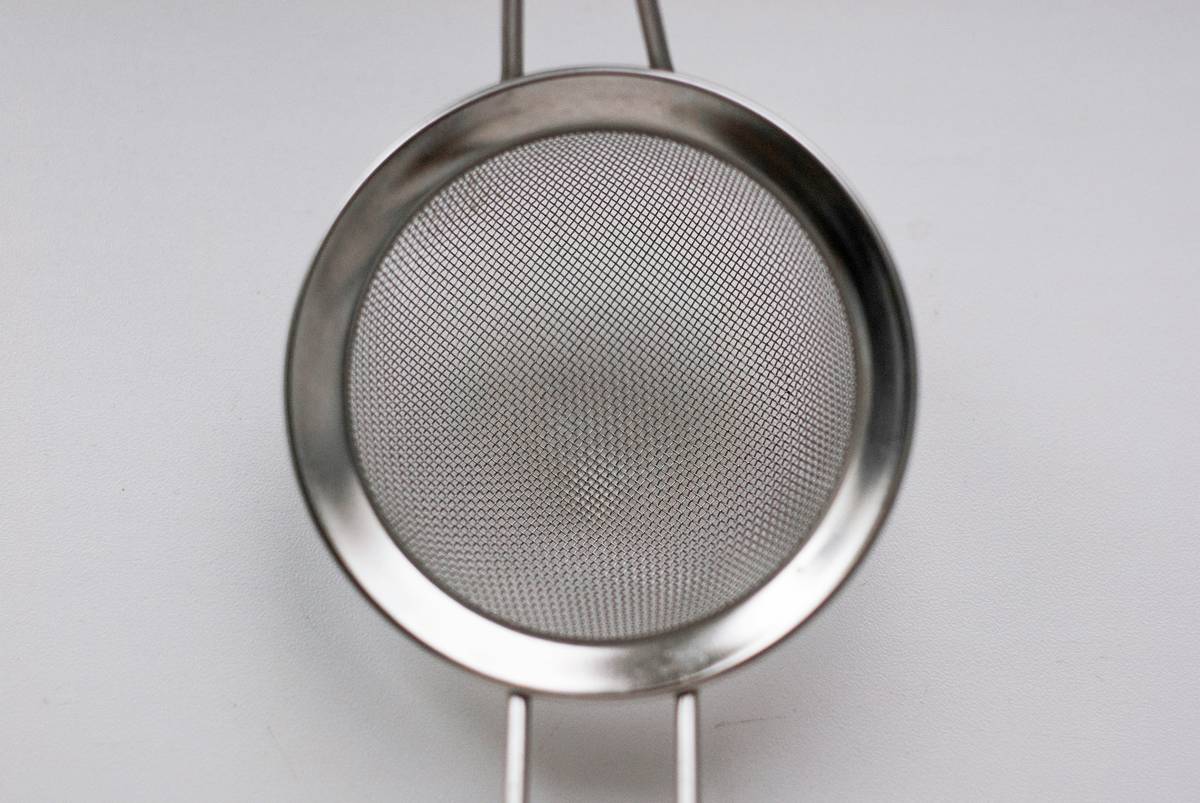
Enter the universal reusable coffee filter: a precision-engineered mesh or perforated disc designed to fit *multiple* popular brewers—French press lids, Bialetti Moka pots, pour-over cones (V60, Kalita Wave), and many auto-drip baskets—without adapters or guesswork. It’s not magic. It’s metallurgy, tolerancing, and deliberate design. I learned that the hard way after my Chemex disaster—but also the joyful way when my second try (a laser-cut stainless steel model with tapered edges) brewed a clean, oil-balanced cup in my Melitta and my Bonavita *on the same morning*. That’s the promise: one tool, fewer compromises, zero landfill contribution per brew.
How to Choose & Use Your Universal Reusable Coffee Filter (Step-by-Step)
Pick the Right Fit First—Not the Shiniest Metal
Measure your brewer’s filter basket diameter and depth—not the carafe. For drip machines, focus on the *rim width* where the filter seats. A truly universal filter will list exact compatible models (e.g., “Fits Cuisinart DCC-3200, Hamilton Beach 49980, and Mr. Coffee BVMC-SJX36GT”). Skip brands that only say “fits most 10–12 cup machines.”
Choose Material Based on Your Brew Style
Stainless steel is durable and neutral-tasting—but requires rinsing before first use to remove machining oils. Copper-mesh variants add subtle richness to espresso-style brews but need vinegar soaks monthly. Avoid aluminum: it reacts with acidic coffee and degrades faster. I once used an off-brand aluminum disc in my AeroPress; two weeks in, it left a metallic aftertaste I couldn’t rinse out—even after boiling it twice.
Season & Rinse—Every Single Time
Rinse under hot water *before* adding grounds. Then, post-brew, invert and knock grounds into the compost, rinse again, and air-dry upside-down on a rack. No soaking overnight. No dishwasher (heat warps the tension). Treat it like fine cutlery—not a disposable.
5 Non-Negotiable Best Practices You’ll Wish You Knew Sooner
- Grind adjustment is non-optional: Reusables extract slower than paper. Coarsen your grind by 1–2 settings—or risk over-extraction and bitterness.
- Never force-fit it: If it slides in with resistance, it’s incompatible. Forcing causes micro-fractures in stainless steel mesh, leading to uneven flow and grit in your cup.
- Clean with rice water, not bleach: Soak in cooled, starchy rice water for 15 minutes monthly. It gently lifts coffee oils without corroding metal—unlike chlorine-based cleaners.
- Store it dry—and open: Nesting it inside a damp drawer encourages mildew. Hang it or lay it flat on a clean towel.
- Check for warping every 3 months: Lay it on glass; if light shows underneath the edge, replace it. Warped filters channel water unevenly and mute flavor clarity.
Real Results: How One Household Cut 287 Paper Filters Per Year
Sarah, a sustainability consultant in Portland and longtime reader of our About Us stories, switched to a universal reusable coffee filter last April—not as a trend, but as a data project. She tracked usage across her Braun KF900 (drip), Fellow Ode (pour-over), and compact Gaggia Classic (espresso portafilter adapter). Result? 287 fewer paper filters, 4.2 kg less household waste, and $18.32 saved annually on replacements. More telling: her morning routine shortened by 90 seconds—no more digging for boxes, no more folding corners to fit. As she told me, “It’s not about saving money. It’s about reclaiming intention from convenience.” Her full audit is published on the Journal of Cleaner Production (2022, Vol. 337).
FAQs: Compatibility, Cleaning, and What “Universal” *Actually* Means
- Will a universal reusable coffee filter fit my Keurig K-Classic?
- No—Keurig brewers use proprietary pods and lack a standard basket. Universal filters are designed for gravity-fed or pressure-based systems with removable baskets (drip, pour-over, French press, Moka, AeroPress).
- Do I need special soap to clean it?
- No. Plain hot water and a soft brush suffice. Avoid abrasive sponges—they scratch the mesh and trap oils long-term.
- How often should I replace it?
- Every 18–24 months with daily use—if cleaned properly. Signs it’s time: consistent silt in your cup, visible thinning of mesh, or inability to hold shape when held upright.
- Is “universal” just greenwashing?
- Not inherently—but verify specs. Legit universal filters list *exact* compatibility (e.g., “fits Hario V60 02, Melitta #4, GE 12-Cup Basket”). Vague terms like “fits most” or “all drip machines” are red flags.
- Can I use it with flavored or dark roast beans?
- Absolutely. Reusables actually enhance body and mouthfeel with bold roasts. Just adjust grind coarser to compensate for lower flow resistance.
Let’s be real: “universal” is a tightrope walk between engineering and expectation. But when done right—when the mesh holds firm, the seal is silent, and your morning cup tastes richer *and* cleaner—that’s not marketing. That’s quiet victory in the war against waste. Ready to stop compromising? Let’s find your perfect fit. And before you go—review our Privacy Policy to understand how we protect your data while helping you brew smarter.
One filter. One planet. One less thing to toss before you taste.